
Pentedrone
Price range: $200 through $4,000
Description
Pentedrone is a synthetic cathinone stimulant, first appearing in “bath salts” products around 2010. It is a research chemical with no approved medical use, known for amphetamine‑like effects such as euphoria, alertness, and increased locomotion, but also linked to toxicity and acute intoxications.
What is Pentedrone?
Chemical Name: (±)-1-phenyl-2-(methylamino)pentan-1-one
Other Names: α-Methylaminovalerophenone, α-Propyl-β-keto-N-methylphenethylamine
Formula: C₁₂H₁₇NO
Molar Mass: 191.27 g/mol
CAS Number: 879722-57-3
Classification & Legal Status
Chemical Class: Synthetic cathinone (structurally related to cathinone from the khat plant)
Legal Status:
US: Schedule I (no accepted medical use, high abuse potential)
UK: Class B
Germany: Anlage II (restricted trade, not prescribable)
Brazil: Class F2 (prohibited psychotropics)
UN: Psychotropic Schedule II
Mechanism of Action
Functions as a monoamine releaser, elevating dopamine, norepinephrine, and serotonin levels.
Produces amphetamine-like effects: heightened alertness, euphoria, increased locomotion.
Preclinical studies show reinforcing properties similar to methamphetamine, with longer-lasting effects than related cathinones like pentylone.
Risks & Toxicity
No therapeutic applications established.
Toxicity: Linked to oxidative damage, cytotoxicity, and acute intoxications.
Reported Effects:
Positive: Euphoria, stimulation, increased sociability.
Negative: Anxiety, paranoia, cardiovascular stress, risk of overdose.
Fatalities: Documented in cases of recreational misuse.
Quick Reference Table
Attribute Details
Class Synthetic cathinone stimulant
Formula C₁₂H₁₇NO
Molar Mass 191.27 g/mol
CAS Number 879722-57-3
Legal Status Schedule I (US), Class B (UK), Anlage II (DE), Class F2 (BR)
Effects Euphoria, alertness, locomotion
Risks Toxicity, acute intoxication, fatalities
Key Takeaways
Pentedrone is a research chemical only; it is not approved for medical use.
It is a synthetic cathinone stimulant with amphetamine-like properties.
Its legal status is highly restricted worldwide due to abuse potential.
Toxicity and risks are significant, making it unsafe outside controlled laboratory research.
Pentedrone (also known as

-methylaminovalerophenone) is a potent synthetic stimulant belonging to the substituted cathinone class. It is chemically related to the alkaloids found in the Khat plant and is structurally similar to compounds like methamphetamine.
Key Characteristics
- Mechanism of Action: It acts as a norepinephrine-dopamine reuptake inhibitor (NDRI), meaning it prevents the reabsorption of these neurotransmitters, increasing their levels in the brain. Unlike some other stimulants, it is not a monoamine releaser.
- Common Use: Since 2010, it has been sold as a “designer drug” or “legal high,” often found as an ingredient in products marketed as “bath salts”.
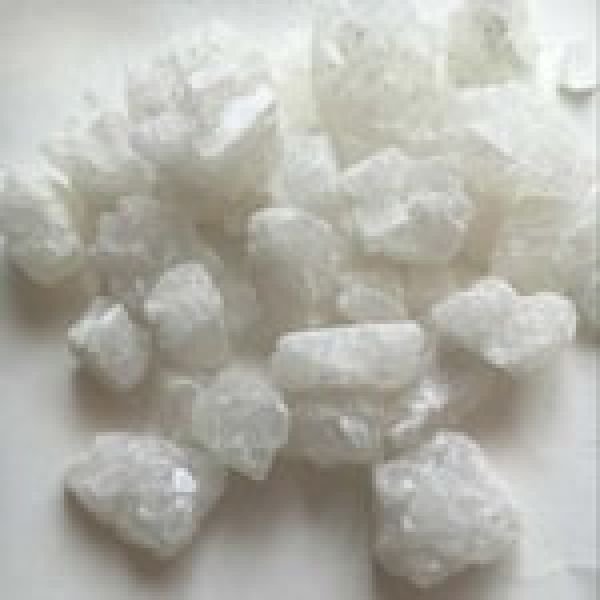
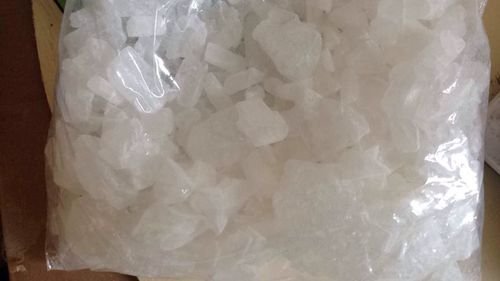
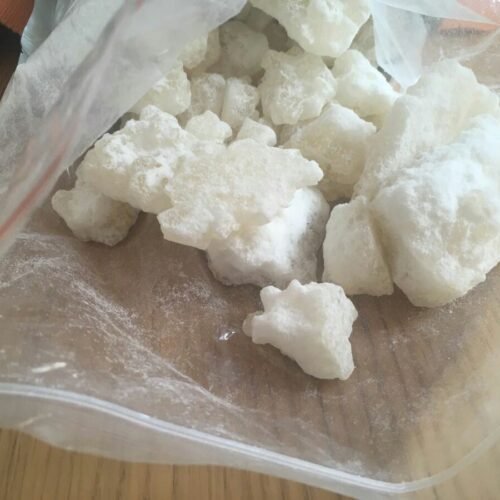
- Physical Form: It is typically encountered as a white powder or fine crystals and can be administered orally, through insufflation (snorting), inhalation, or intravenously.
Reported Effects
Users report effects similar to MDMA or cocaine, though often described as “more-ish” with a high potential for compulsive redosing.
- Positive Effects: Increased energy, alertness, euphoria, and sociability.
- Adverse Effects: Anxiety, tachycardia (rapid heart rate), hypertension, hyperthermia, insomnia, and hallucinations.
- Health Risks: Pentedrone has been linked to severe intoxications and several fatalities, particularly when combined with other substances like -PVP.
Legal and Regulatory Status
Pentedrone is strictly regulated due to its high potential for abuse and lack of medical utility:
- United States: Classified as a Schedule I controlled substance under the Controlled Substances Act.
- International: Included in Schedule II of the UN Convention on Psychotropic Substances of 1971.Other Countries: It is explicitly banned or controlled in many nations, including Germany, China, Canada, and the UK.
Are you looking for more specific information on pentedrone, such as:
- Its chemical structure or derivatives (like N-ethylpentedrone)?
- Detailed toxicological data and metabolic pathways?
- Specific legal penalties in a particular region?
Additional information
| Quantity | 10g, 25g, 50g, 100g, 500g, 1kg |
|---|
Related products
-
OXYCODONE Chemical Powder
Price range: $400 through $10,000Select options This product has multiple variants. The options may be chosen on the product page -
Etonitazene Powder
Price range: $150 through $1,000Select options This product has multiple variants. The options may be chosen on the product page -
Carfentanil Chemical
Price range: $550 through $8,000Select options This product has multiple variants. The options may be chosen on the product page
Reviews
There are no reviews yet.