
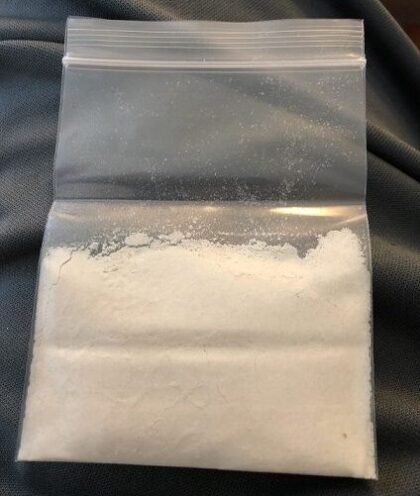
4-AcO-DMT
Price range: $140 through $800
Description
4-Acetoxy-N,N-dimethyltryptamine (4-AcO-DMT) Research Chemical | CAS 1987-80-0 | Analytical Reference Standard
Introduction 4-Acetoxy-N,N-dimethyltryptamine, commonly abbreviated as 4-AcO-DMT or psilacetin, is a synthetic substituted tryptamine compound with the molecular formula C14H18N2O2 and a molar mass of 246.31 g/mol. This analytical reference standard is supplied for legitimate scientific research applications including chromatographic method development, forensic toxicology screening, and neuropharmacological studies investigating serotonin receptor binding profiles. As the acetate ester prodrug of psilocin (4-HO-DMT), this compound serves as a valuable tool for analytical validation, metabolic pathway research, and structure-activity relationship studies in controlled laboratory environments.
Key Features and Specifications
Chemical Name: 4-Acetoxy-N,N-dimethyltryptamine Synonyms: 4-AcO-DMT, psilacetin, O-acetylpsilocin, 3-(2-dimethylaminoethyl)-1H-indol-4-yl acetate CAS Number: 1987-80-0 (free base); salt forms may have distinct identifiers Molecular Formula: C14H18N2O2 Molecular Weight: 246.31 g/mol Purity: Greater than or equal to 98 percent by HPLC for analytical reference standards Physical Form: Crystalline solid, powder, or solution depending on formulation Solubility: Soluble in DMSO, methanol, ethanol, and chloroform; limited solubility in aqueous buffers at neutral pH Storage Conditions: Store at minus 20 degrees Celsius in airtight, light-resistant container under inert atmosphere Stability: Hygroscopic and sensitive to hydrolysis; protect from moisture and light; prepare fresh solutions for analytical use Analytical Data: UV absorption maxima at approximately 220 nm, 270 nm, and 280 nm; identity confirmed by NMR, LC-MS, and FTIR spectroscopy
Applications
This product is intended exclusively for laboratory research and forensic analytical applications. Legitimate use cases include: development and validation of LC-MS, GC-MS, and HPLC analytical methods for tryptamine detection; forensic toxicology reference material for identification and quantification of novel psychoactive substances; in vitro receptor binding and functional assays studying 5-HT2A, 5-HT2C, and 5-HT1A serotonin receptor pharmacology; metabolic stability and prodrug conversion studies using liver microsome or hepatocyte models; quality control calibration standards for analytical instrumentation; academic research on structure-activity relationships within the 4-substituted tryptamine chemical class. This compound is utilized as an analytical reference standard in research settings investigating serotonergic compound detection, metabolism, and receptor interaction mechanisms.
Safety and Handling
Handle only in a properly equipped chemical laboratory with appropriate engineering controls and institutional approval. Required personal protective equipment includes nitrile or chemical-resistant gloves, safety goggles or face shield, laboratory coat, and respiratory protection when handling powders or aerosols. Use only within a certified chemical fume hood to minimize inhalation exposure. Avoid skin contact, eye contact, and ingestion. This compound may cause irritation to skin, eyes, and respiratory tract. In case of contact, flush affected area with water for at least 15 minutes and seek medical attention. Store separately from oxidizing agents, strong acids, bases, and light sources. Dispose of waste according to institutional hazardous chemical protocols and local environmental regulations. Refer to the Safety Data Sheet (SDS) for comprehensive hazard classification, first aid measures, fire-fighting procedures, and emergency response information.
Regulatory and Compliance Information
4-AcO-DMT is subject to varying legal classifications across jurisdictions. In the United Kingdom, it is classified as a Class A controlled substance under the Misuse of Drugs Act as an ester of psilocin. In Germany, it is regulated under the NpSG for industrial and scientific use only. In several European Union member states and other countries including Canada, Australia, and New Zealand, it is controlled under new psychoactive substance legislation. In the United States, while not explicitly scheduled at the federal level, it may be considered a controlled substance analogue under the Federal Analogue Act due to its structural and pharmacological relationship to psilocin. Researchers and purchasers are solely responsible for verifying compliance with all applicable local, state, national, and institutional regulations prior to ordering, possessing, importing, or using this material. This product is not approved by any regulatory agency for diagnostic, therapeutic, veterinary, or human consumption purposes.
4-AcO-DMT, chemically designated as 4-Acetoxy-N,N-dimethyltryptamine, is a high-purity research chemical belonging to the tryptamine class. This analytical reference standard is specifically manufactured for laboratory and scientific research applications, enabling precise investigation into the structural and functional characteristics of serotonergic psychedelic compounds. Researchers utilize this material for controlled in vitro and forensic studies to advance the understanding of structure-activity relationships within the tryptamine family.
This product is identified by the IUPAC name 3-[2-(dimethylamino)ethyl]-1H-indol-4-yl acetate, with a CAS number of 92292-84-7. It possesses a molecular formula of C14H18N2O2 and a molecular weight of 246.31 g/mol. The material is supplied with a certified purity of ≥98% and typically presents in the physical form of a crystalline solid or fumarate salt, ensuring consistency and reliability for reproducible experimental results.
For optimal stability and integrity, this research chemical must be handled with strict adherence to laboratory safety protocols. Proper storage requires keeping the material in a cool, dry, and well-ventilated environment, preferably within a tightly sealed container, away from direct light and moisture. Researchers are advised to utilize appropriate personal protective equipment, including gloves and safety goggles, when handling this substance to maintain a safe working environment.
This product is intended for laboratory research and forensic applications exclusively. It is not designed, approved, or suitable for human consumption, veterinary use, or any form of therapeutic application. This material is to be used only by qualified researchers in controlled laboratory settings.
Additional information
| Quantity | 2g, 5g, 10g, 25g, 50g |
|---|
Related products
-
Vanilla sky bath salt
$150 -
Ultimate Sextacy Bath Salt
$180 -
Sustanon-250 Powder
Price range: $100 through $300Select options This product has multiple variants. The options may be chosen on the product page
Reviews
There are no reviews yet.